
AI adoption should be approached from the top down, with C-suite oversight playing a critical role. Small and medium-sized enterprises (SMEs) often lack the budget for extensive experiments or ready-to-ship products. This process involves significant change management and costly decisions, which can lead to challenges at key decision points. Updating business processes requires multiple iterations to ensure that they are suitable for the organization, necessitating a careful balance of motivation, time, and financial resources.

To drive motivation or ROI focused organizations, they can pursue specific transformation goals. For example, they might aim to increase revenue by 30% through AI, boost productivity by 50%, or introduce new business models. For companies willing to spend money, investing in foundational infrastructure and all-in-one solutions is often more beneficial than a step-by-step approach, as it provides greater clarity and reduces the need for rework across interconnected systems.
Transformative thinking is essential for executives, who must continuously evaluate and enhance processes through machine collaboration. Instead of investing in expensive training programs, SMEs can find and recognise AI Champions to promote self-learning and facilitate the overall goal of achieving AI knowledge within the organisation.
Establishing a non-revenue-driven Center of Excellence (CoE) can be advantageous for many organizations. For companies with limited budgets, forming smaller, regular teams can facilitate steady progress. The CoE should operate cross-functionally, coordinating with various departments to identify problems and solutions, document improvements, and assess the return on investment for each initiative.
Cultural attitudes significantly impact AI adoption, particularly since failure is often expected in new domains. Organisations must cultivate a culture that embraces learning from failures, as this mindset is essential for navigating challenges and ultimately achieving success.
AI initiatives fundamentally focus on collaboration with machines, allowing executives to determine the extent of machine involvement and design effective inputs and outputs. Based on the level of collaboration desired, organisations can also offer specialised upskilling to ensure that employees are equipped to work effectively alongside AI technologies.
Although AI governance has been less emphasized in recent years, it is becoming increasingly critical for many organizations. SMEs may find themselves relying more on third-party consultants rather than building internal governance teams to manage AI-related challenges effectively.
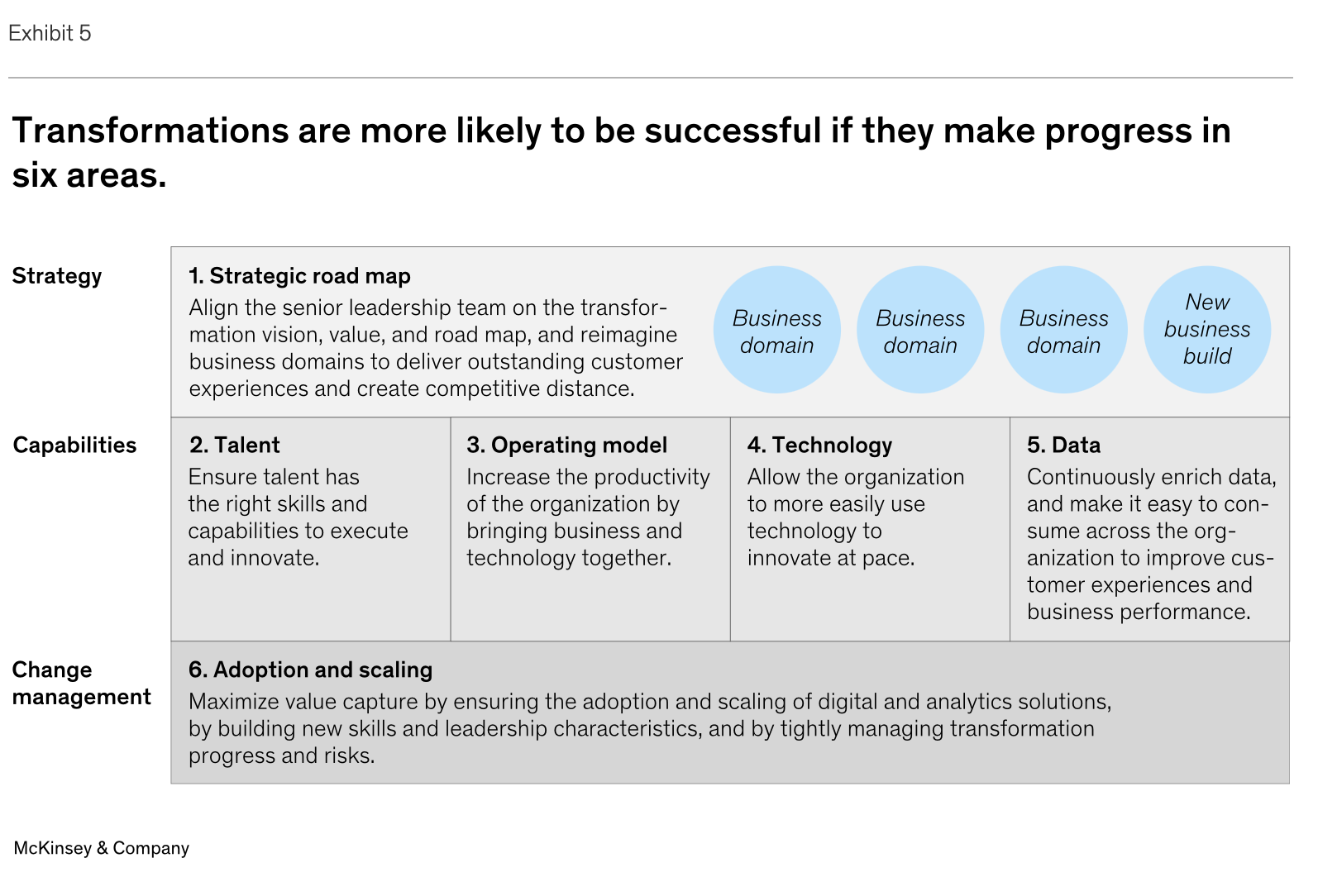
Successful organisations employ strategic approaches that encompass clear strategic roadmaps, a focus on organisational capabilities, and an emphasis on effective change management to ensure the successful adoption and scaling of AI initiatives.
 Technology | MSME | Build | Future | Trends
Leave a comment