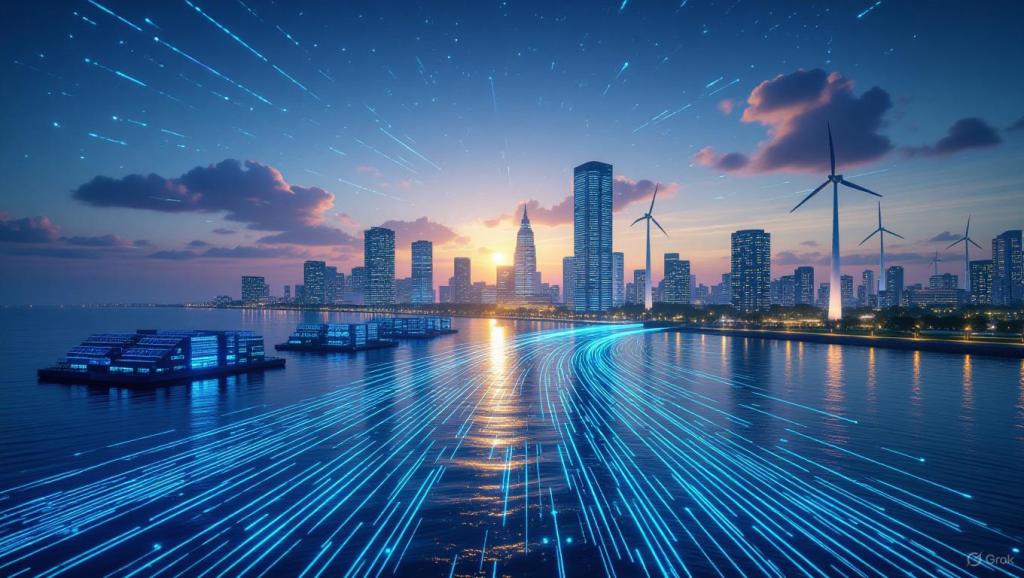
Is it possible for Kochi to become upcoming global traffic hub? Its geographic location and direct connection to undersea cables certainly make it a strong candidate. While there are natural challenges such as heavy rainfall, high humidity, flooding, and coastal corrosion, these risks can be managed through proper disaster mitigation strategies. If addressed effectively, Kochi could leverage its strategic position to support faster, more resilient data centers. Drawing lessons from established hubs like Singapore and California, the city could position itself as a global gateway.
Building high‑speed network infrastructure here would also benefit nearby states, including Bengaluru, by offering alternative connectivity routes. Additionally, complementary locations such as Tamil Nadu could serve as backup or distributed sites, similar to how Colorado and Utah complement other U.S. hubs, to minimize risks from natural disasters.
With land availability and rising costs pushing data centers toward Tier‑2 cities, Kochi stands out. The city offers a skilled workforce, a growing IT ecosystem, increasing investments in renewable energy, and strong potential for expansion. While attracting talent from other regions remains a challenge, the trend of GCCs (Global Capability Centers) shifting to Tier‑2 hubs, and major companies planning offices in Kochi, will bring more professionals into the city.
To realize this vision, the most critical requirement is reducing bureaucratic hurdles—such as delays in approvals and infrastructure clearances—and enabling faster execution of projects. Beyond meeting local enterprise needs, Kochi has the opportunity to establish itself as a major digital gateway, complementing India’s Tier‑1 cities and strengthening the country’s global digital infrastructure.




 Technology | MSME | Build | Future | Trends